
We use a comprehensive curriculum designed to support children's growth and learning across all areas of development, including social-emotional, physical, cognitive, and language skills.
Our curriculum is enhanced through thoughtfully designed learning areas within each classroom. Each area focuses on a specific developmental domain and is equipped with age-appropriate materials and resources. Throughout the day, children rotate through these learning centers, participating in engaging activities that encourage exploration, discovery, creativity, and growth. This approach ensures that children are consistently exposed to stimulating environments that promote hands-on learning and sensory development.
Our classrooms are equipaded with diferents learning centers, including: Dramatic Play, Manipulatives, Math, Science and Technology, Art, Music and Movement, Sand and Water, Reading, Writing, and a Peaceful Place. Each center is carefully designed to provide meaningful, hands-on learning experiences that foster creativity, critical thinking, problem-solving, and active participation.
Our safe, nurturing, and enriching program focuses on all aspects of creative learning. Through hands-on activities, children explore exciting monthly themes and participate in a variety of enrichment experiences, including cooking, gardening, art, physical education, and science projects.
We also celebrate seasonal events and special occasions with fun, creative, and educational activities that inspire curiosity, imagination, and a lifelong love of learning.
At Ingenuity Preschool in Apopka, FL, we believe that children learn best through active exploration and meaningful experiences. Our goal is to create a supportive environment where every child feels valued, confident, and motivated to reach their full potential.
.
Explore our Early Childhood Programs
Infants
Music and Movement: Exposure to music stimulates babies desire to learn, creates feelings of excitement and enjoyment, and encourages babies’ desire to interact with others to follow, sing along, and move along with music.
Language Development: Maximizing opportunities for language development by exposing children to storybooks, puppets, plenty of age appropriate books that our teachers will show and read to each child. Sign language is also introduced to the infants.
Exploration and creativity: Research has shown that infants are drawn to images of their own faces. Mirrors attract and sustain infants’ attention while helping them develop a sense of their own bodies and to orient themselves in space.
Gross Motor: A variety of activity walkers, large climbing mats, and push and pull play toys are available in the classroom, encouraging development of gross motor skills including reaching, object transfer, head raising and sitting upright.
Fine Motor: Using objects such as stacking blocks and reaction toys, the center encourages the development fine motor skills, such as grasping, raking with fingers to pick up objects, holding and manipulating objects, and self-help skills.
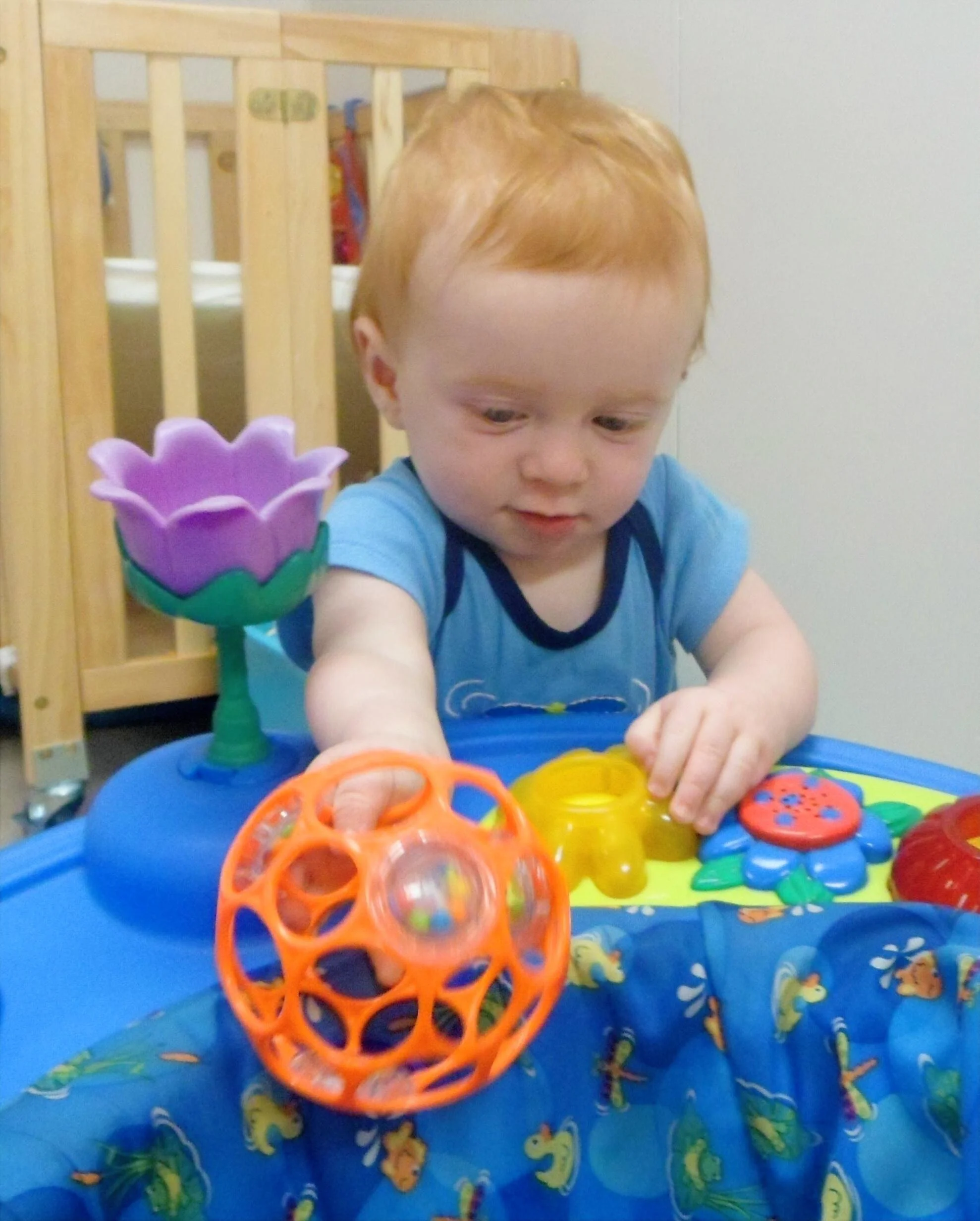
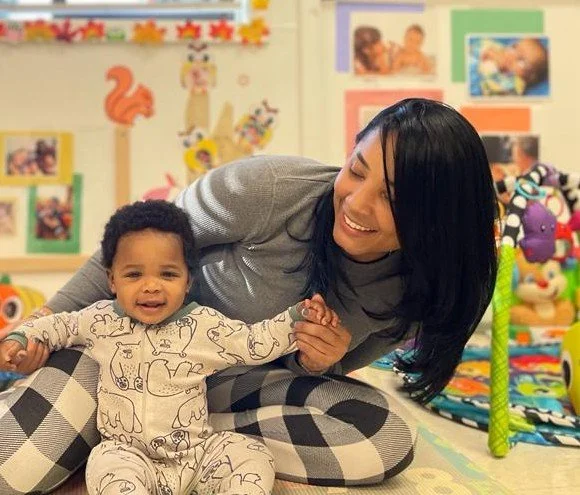
Our infants are cared for by warm, enthusiastic, and dedicate teachers who build a trusting relationship with each individual child. Loving interaction between baby and teacher happens during the daily routine to encourage their mental and physical development.
This early childhood program emphasizes individualized learning, planning the activities based on each one’s stage, temperament, disposition and needs.
Parents are encouraged to be active in the program and communicate with the teachers on a regular basis, they are kept up to date with a daily report about feeding times/amounts, diaper changes, nap times, and activities that occurred during the day. However, parents are always welcome and encouraged to visit and discuss their child’s progress.
Multi-sensory experiences, exercise, dance and movement, music, stories, language and outdoor activities expand each theme activity.
Toddlers
An important part of the learning at this age for the children is the separation from their parents, learning to follow directions and be nurtured by people outside of their immediate circle.
This stage is a transition process from babies to toddlers. In this period great changes in their development start to happen, such as talking, walking and remembering. We designed our curriculum to nurture and guide the children hunger for independence and exploration in a safe way, as they begin to imitate and pretend play.
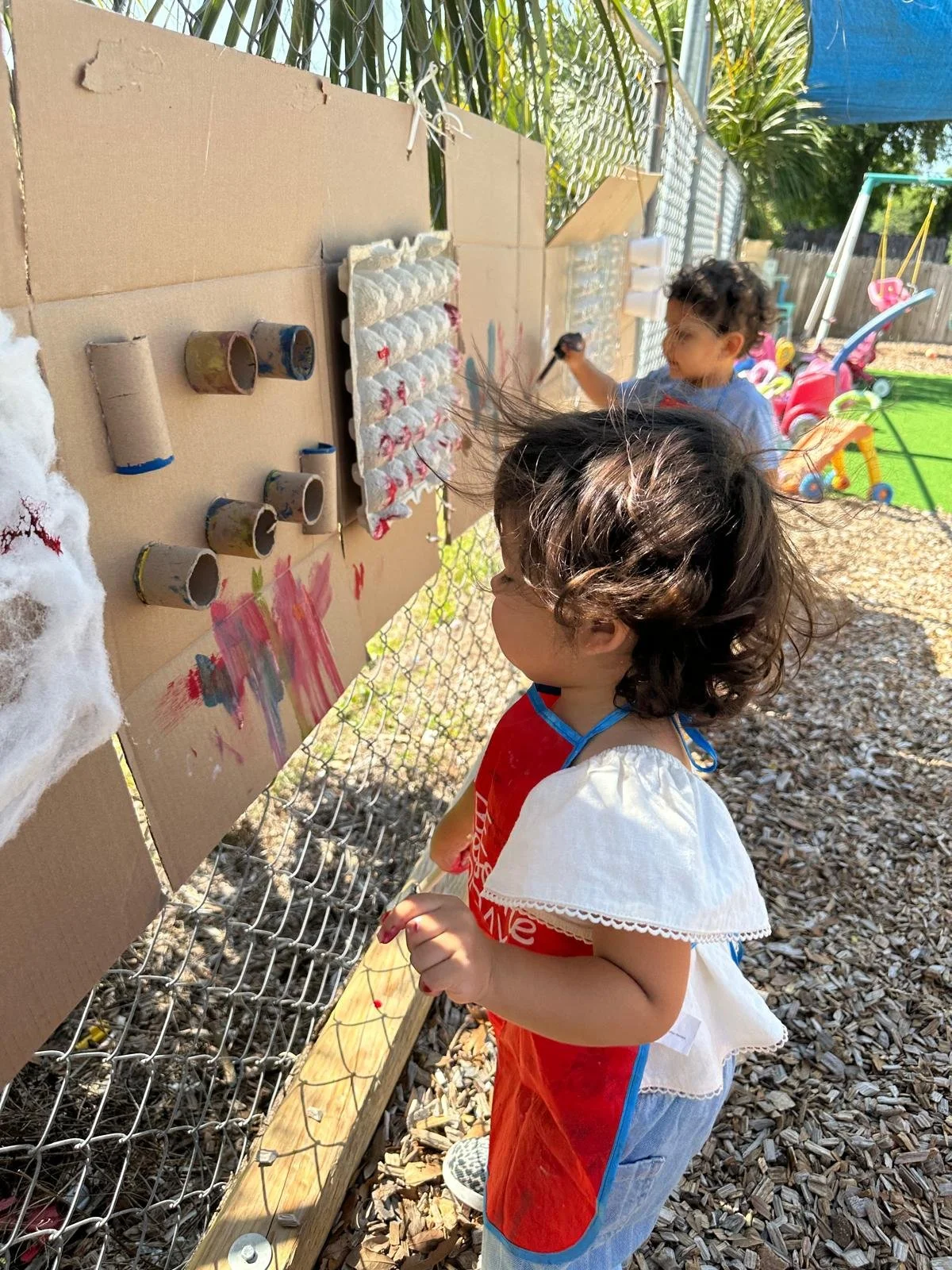
our teachers help the children to express themselves through different techniques such as sign language and arts, while they work to improve the communication skills on daily activities (reading, singing, and talking about different topics).
Our curriculum strives to maximizes movement and discovery.
The daily report is sent with details about toileting, eating, and rest time.
Ones
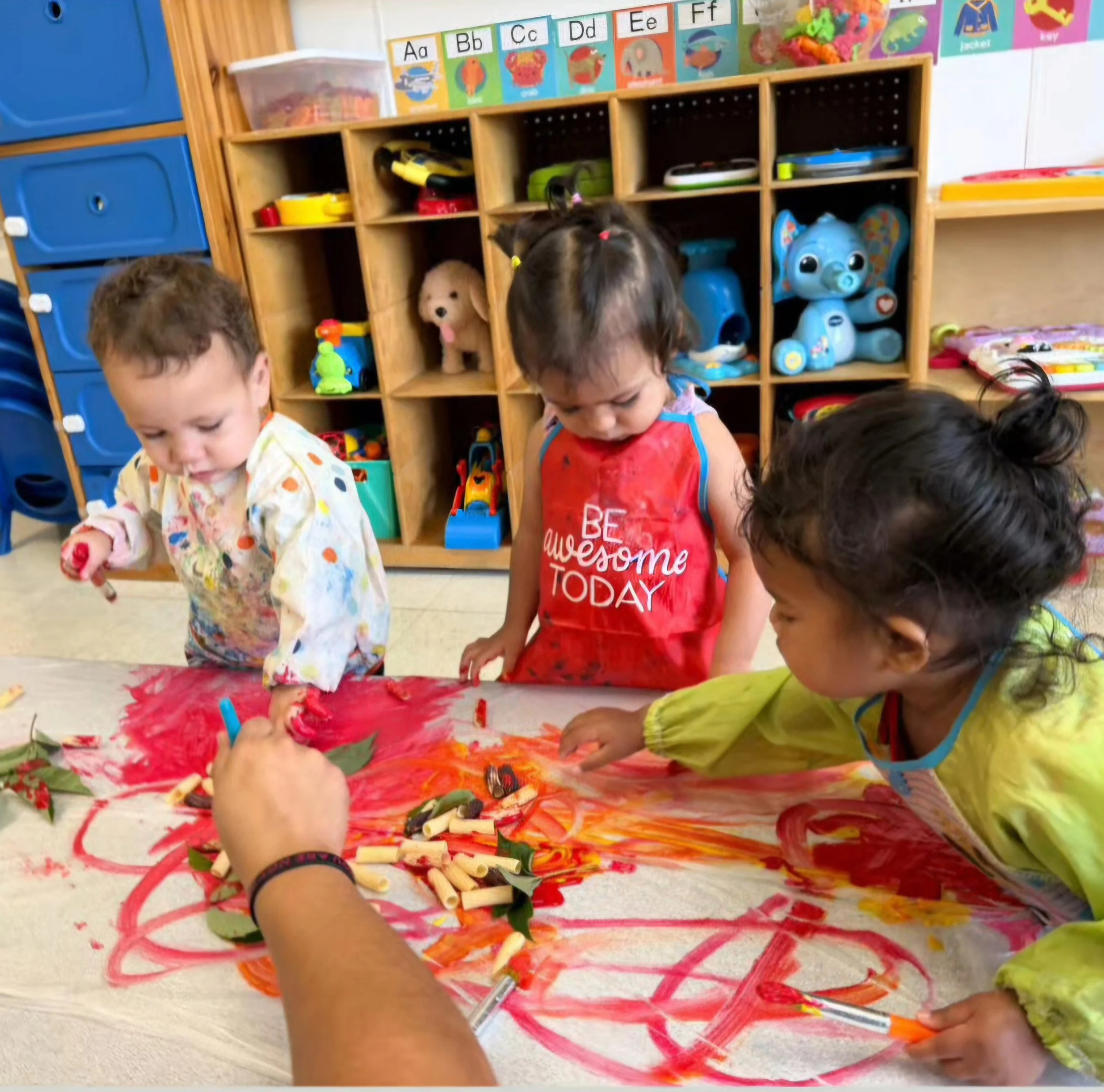
The social emotional domain is priority in this class.
The age appropriate activities encourage our children to take turns, cooperate, share, and express feelings in appropriate manner, which help them to develop the ability to socialize with friends. The children are encouraged to make friends and share as a school family, in which everyone has a special value, and also responsibility in the daily routine.
The independence is promoted through self-help skills such as eating, potty training, hand washing, and independently cleaning up are among the skills taught in this class. Toilet training is one of the most important goals. Teachers include learning activities along with routine potty visits, as well as positive reinforcement for their achievements.
Twos
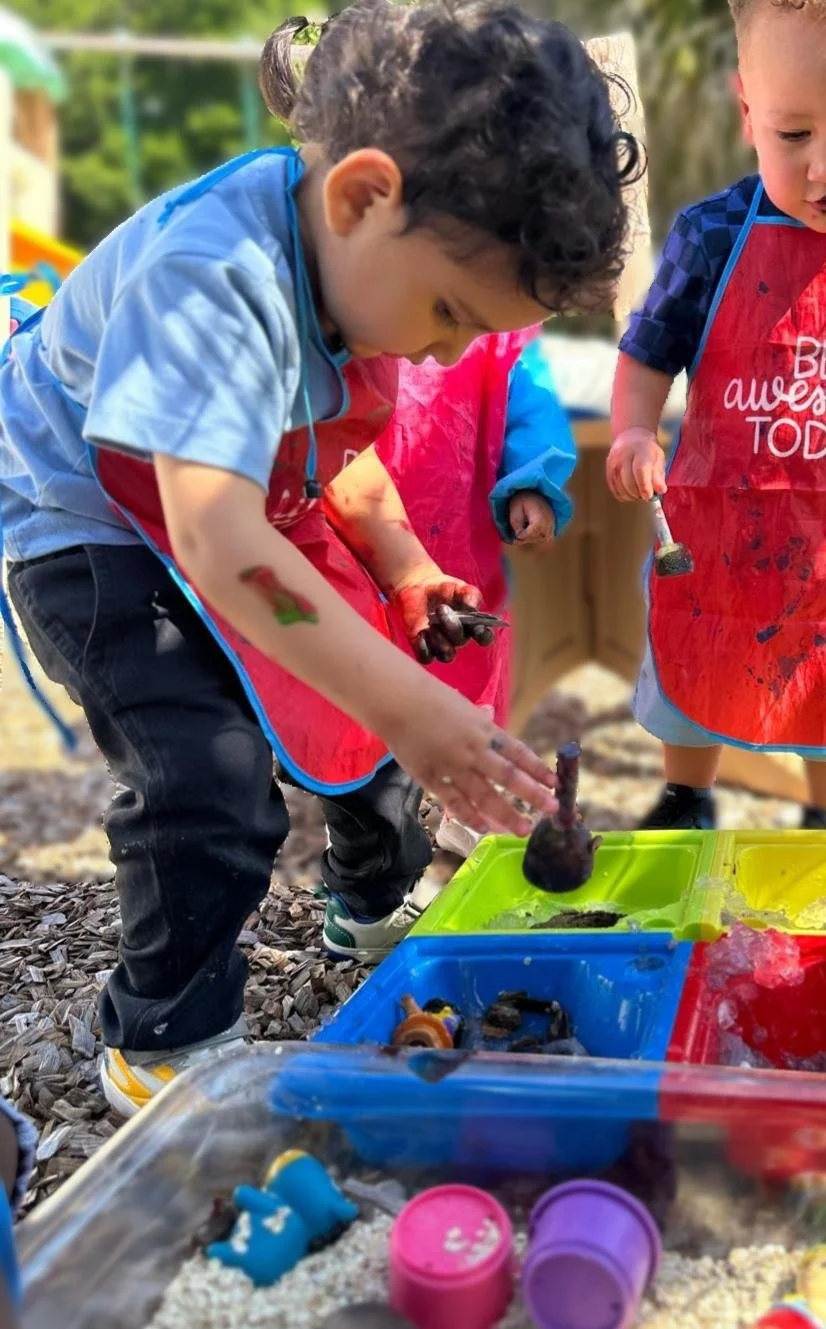
We promote developmental growth of communication, the formation of vocabulary and the increasing awareness of reading by exposing your child to different words based on weekly themes, diverse routine directions to straight listening-comprehension capabilities, encouraging the children to talk about experiences; having available a variety of books and emergent writing activities; puppets and story props.
They participate in activities that includes calendar recognition, weather discussion, counting, storytime, and songs related to the weekly theme and concepts such as body parts, shapes and colors, feelings, people and nature, among others.
Teachers assist them in order to improving the gross motor skills in activities, such as: crawling, dancing and singing inside the classroom, also climbing, riding, running, tossing, catching, throwing and messy activities for sensory experiences, on the playground.
The daily report is sent with details about toileting, eating, and rest time.
Pre-k
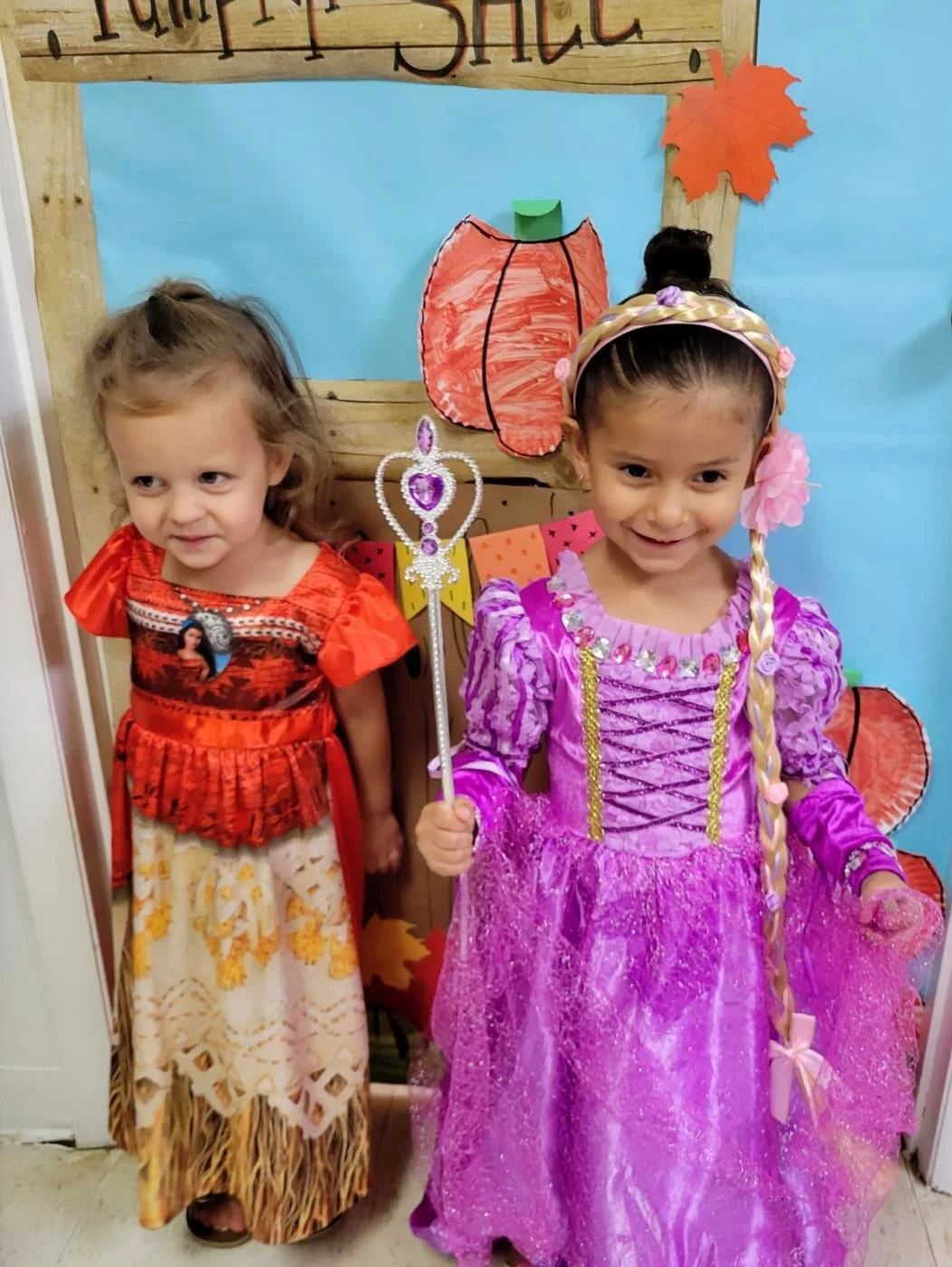
Our Pre-k3 class revolves around the children learning to help themselves and playing cooperatively with one another, expressing their feelings and solving problems, as they develop with guidance as a whole individual. Children are encouraged to make choices for themselves, cooperate with others as well as listen and follow directions.
During the school year the teachers lead the children in small and large group activities, such as movement, story time, circle time, art projects and centers time.
The children are encouraged to make friends and share as a school family, in which everyone has a special value and also responsibility in the daily routine.
In preparation for the Pre-k 4 classroom, the children work on their hand pre-writing and pre-reading skills, colors, shapes and numbers and name recognition.
Calendar is part of the circle time, learning days of the week and the months of the year. Others social and science concepts are introduce at the age appropriate level.
The weekly lessons are designed to provide the children opportunities to expand their minds and imagination while they grow socio-emotionally.
Children continue improving the gross motor skills every day in a variety of activities, such as: dancing and singing inside the classroom and also climbing, riding, running, catching, and throwing on the playground.
Three
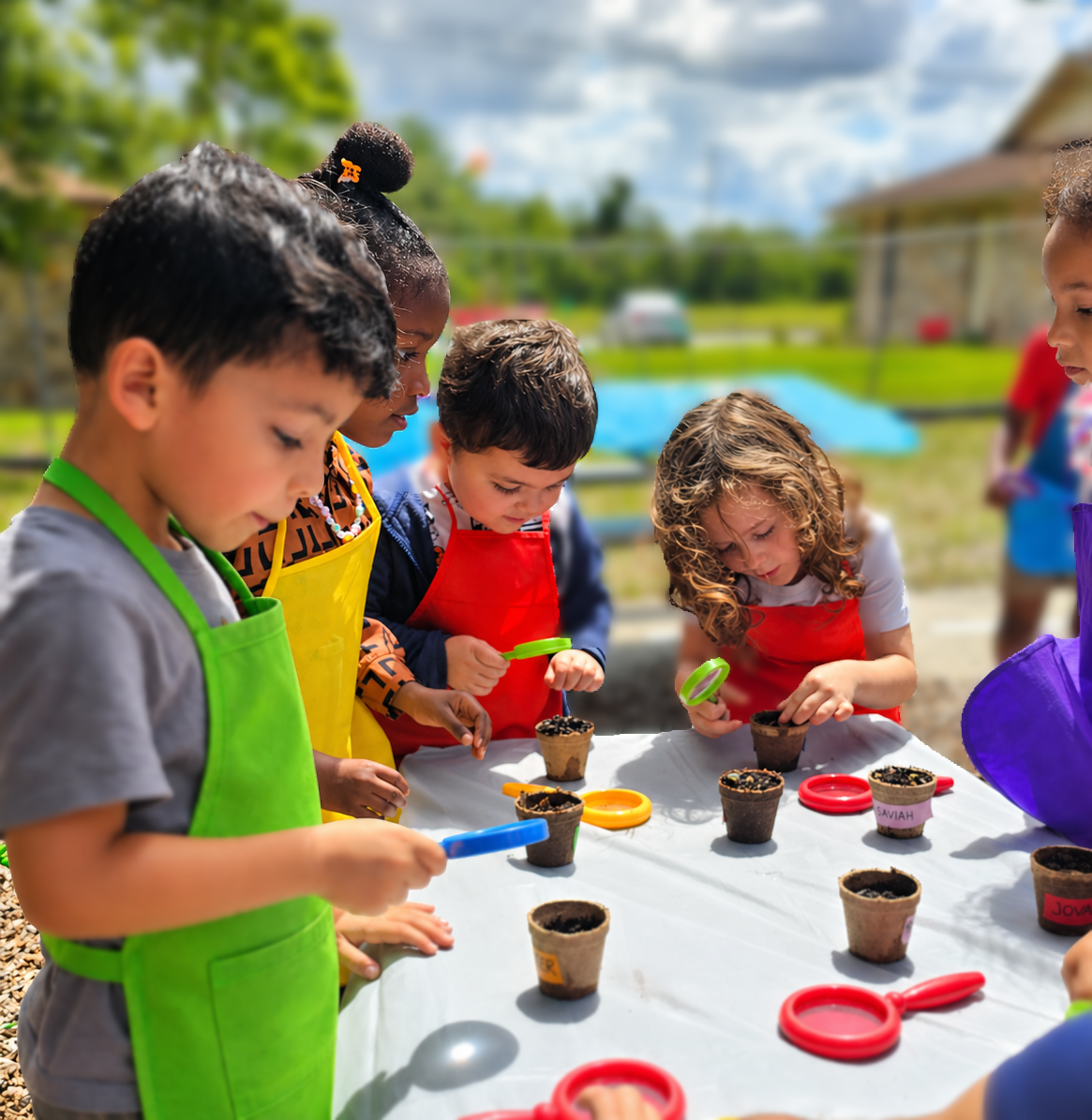
This class emphasizes on helping children continue managing and expressing feelings, improving self-help skills and character development, learning about responsibility with one designated weekly job, as well as caring of their personal belongings, building friendships and following rules and routines.
Fine motors skills are developed through activities such as writing, drawing, coloring, cutting, tracing, gluing, lacing, play-dough manipulation, puzzles, building, and Gross motor skills through dancing, running, hopping, jumping, climbing and riding tricycles.
The program is designed to create progress in all the child development areas:
Cognitive: this class includes math and science exploration to encourage children’s cognitive development through counting, number recognition, shapes, measuring, graphing, patterning, sequencing, color variations, planting, seasons, recycling, nature and sensory experiences.
Language: children are expose to various forms of reading materials such as books, magazines, classroom labels, and charts. Oral language skills are encouraged by participating in circle time, sharing ideas or stories, show and tell, as well as songs, finger-play, picture stories, following up to three step directions, rhyming, introduction to upper and lower case letters and introduction to phonics. They continue practicing their writing skills daily.
Creativity: children will be able to develop their creativity through arts, using different medias such as music, paint, play-dough, games, dance, puppets and pretend play.
Four
VPK - Voluntary Prekindergarten
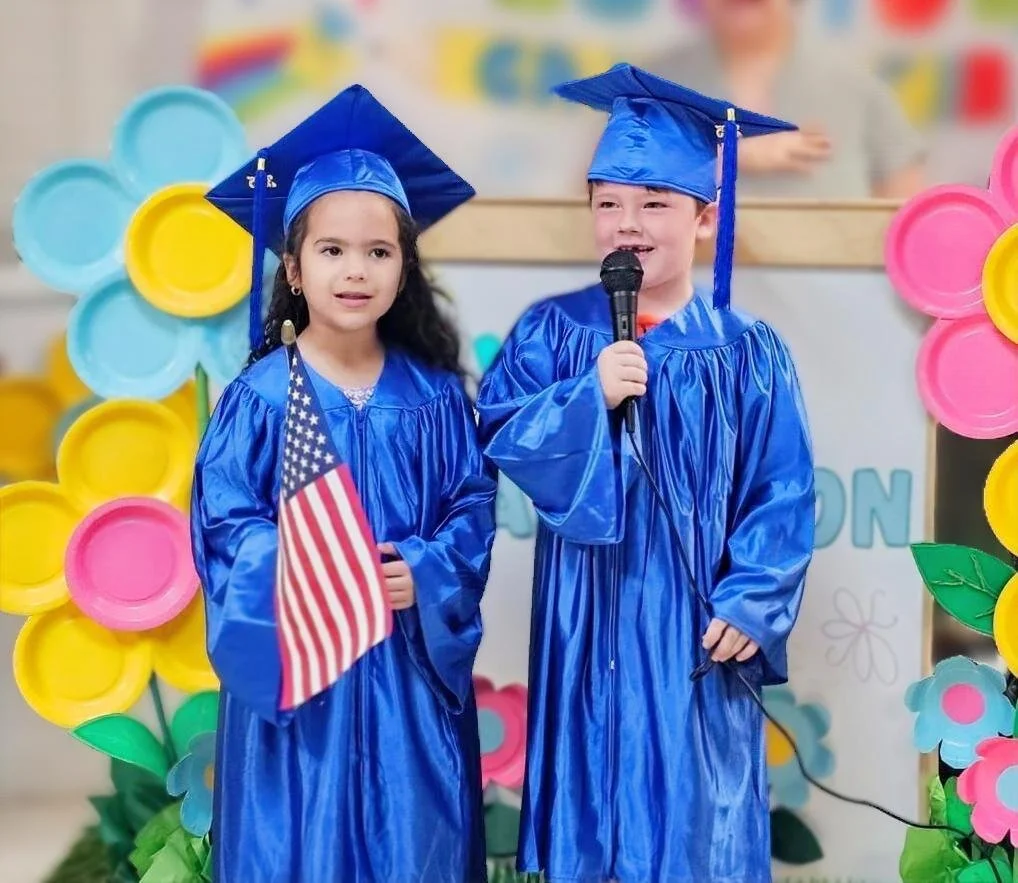
The primary goal of this early childhood program at Ingenuity Preschool in Apopka, FL, is preparing these young minds for Kindergarten.
At this level our children are developing their language skills and more advanced social skills. Social and emotional readiness is critical to a child’s successful transition to kindergarten .They enjoy interacting with other children. They are learning to share and respect others feelings and needs. The children are encouraged to make friends and share as a school family, in which everyone has a special value and responsibility in the daily routine.
At Ingenuity Preschool learning is a lot of fun, we read and tell stories, sing songs, dance to music, do art and science projects, we talk about feelings and manners, we cook, garden, investigate math concepts and become even more independent.
Our experienced and dedicate teachers observe how children use materials and what sparks their interests. Teachers listen and ask questions to challenge them further and, with the information gathered, they plan lessons and set up developmentally appropriate activities that foster the cognitive and social growth of the children.
The observations and the VPK assessment tool is the foundation from which we share the progress information with the parents at the parent-teacher conferences. All the tools above mentioned is combined to ensure all the VPK standards are met and our children will be ready for kindergarten in a level that exceed those standards.
Schoolers
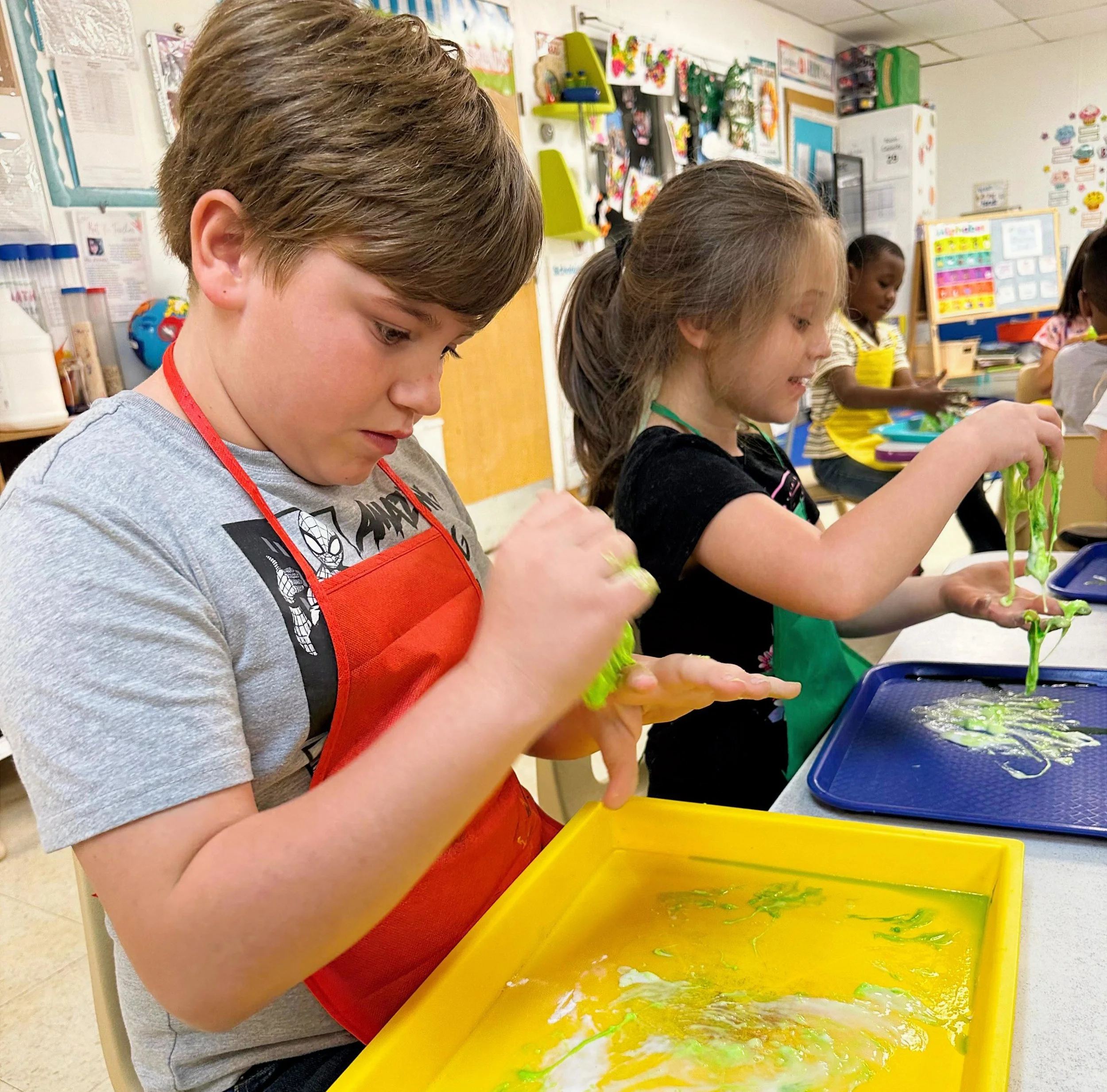
This class emphasizes on helping children continue managing and expressing feelings, improving self-help skills and character development, learning about responsibility with one designated weekly job, as well as caring of their personal belongings, building friendships and following rules and routines.
Fine motors skills are developed through activities such as writing, drawing, coloring, cutting, tracing, gluing, lacing, play-dough manipulation, puzzles, building, and Gross motor skills through dancing, running, hopping, jumping, climbing and riding tricycles.
The program is designed to create progress in all the child development areas:
Cognitive: this class includes math and science exploration to encourage children’s cognitive development through counting, number recognition, shapes, measuring, graphing, patterning, sequencing, color variations, planting, seasons, recycling, nature and sensory experiences.
Language: children are expose to various forms of reading materials such as books, magazines, classroom labels, and charts. Oral language skills are encouraged by participating in circle time, sharing ideas or stories, show and tell, as well as songs, finger-play, picture stories, following up to three step directions, rhyming, introduction to upper and lower case letters and introduction to phonics. They continue practicing their writing skills daily.
Creativity: children will be able to develop their creativity through arts, using different medias such as music, paint, play-dough, games, dance, puppets and pretend play.
Our safe and enriching program focuses on all aspects of creative learning. Hands on activities encompass exciting monthly themes and a variety of extra curriculum activities which include cooking, gardening, and special art and science projects.